🚚 Track My Order


Navratri is one of the most beloved Hindu festivals celebrated in India. The name comes from the two Sanskrit words, "nav" that means nine and "ratri" which means night. The festival is dedicated to Durga Mata and worships Shakti or the divine feminine power. Although there are different traditions of celebrating Navratri all over India, the main message of the festival remains the same – good beats evil, light beats darkness and faith helps people find strength.
When Does Navratri 2026 Fall?
The date of Sharad Navratri in 2026 will be from October 11 to October 19, after which Vijayadashami will be celebrated. During these nine days, there will be many prayers, fasting, musical performances, dancing and decoration.
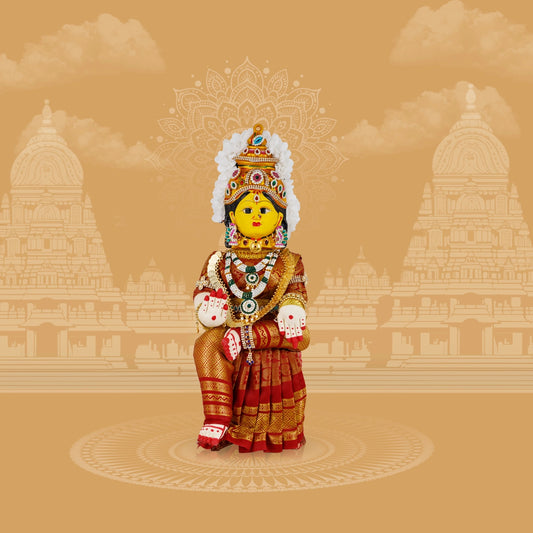
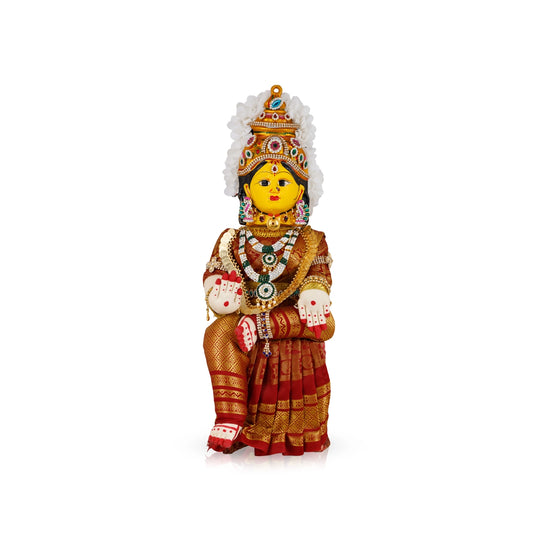
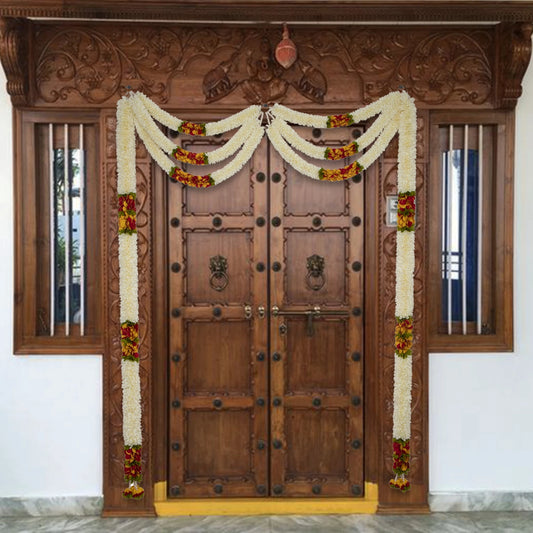
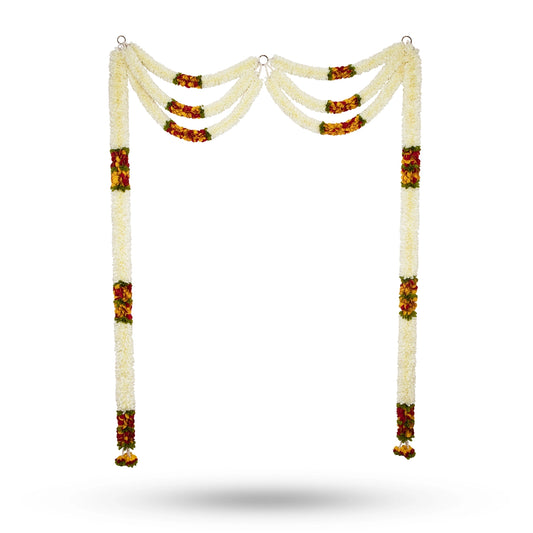
From Garba in Gujarat to Durga Puja in West Bengal and bommai kolu in South India, people have various ways to celebrate the festival. Families decorate their houses with flowers, Toran, lamps and other traditional decorations. In Tamil Nadu, Karnataka and Andhra Pradesh, Golu Dolls are placed on a Golu Padi and create a colorful collection of gods and goddesses, people, animals and scenes of everyday life.
Why Is Navratri Celebrated for Nine Days?
Navratri has a great religious meaning as there are nine days of this festival. According to Hindu mythology, Durga Mata had to fight with the powerful demon Mahishasura who became a danger to the gods and the world. The fight continued for some days, and the victory belonged to Goddess Durga. That is why Navratri is the celebration of the victory of good over evil.
During these nine days, each of the nine days is traditionally linked to one of the forms of Goddess Durga called Navadurga. These forms have various qualities such as bravery, wisdom, power, purity and kindness. Devotees pray to these forms of goddess and ask her for happiness, prosperity, peace and health. The ninth day is especially important for worship in many parts of India.
Also, these nine days give special rhythm to the festival as people use this time for prayers, fasting, meditation and celebration. In some South Indian traditions, there are three parts of these nine days and goddesses Durga, Lakshmi and Saraswati get special worship. Thus, Navratri becomes not only the festival but also the opportunity to get strength, prosperity and knowledge.
History of Navratri Festival
The history of Navratri is connected with the ancient traditions of Hindu religion and the power of Shakti. The most famous story related to this festival is about the fight of Durga Mata with Mahishasura. The demon got a great power that made it impossible for the gods to defeat Mahishasura, so they turned to divine feminine power for help. There was Durga Mata who won this fight.
The festival has different cultural meanings in various parts of India. In North India, Navratri is linked to the worship of Durga and the celebrations that lead to Dussehra. In West Bengal, it is connected with Durga Puja. In Gujarat, people celebrate this festival with Garba and Dandiya. In South India, bommala koluvu or Golu or Kolu has become one of the favorite traditions in which families display dolls.
Golu brings additional artistry to this festival as the families place their Golu Dolls on Golu Padi. Traditional dolls include gods, goddesses, musicians and animals, and it is possible to choose Kondapalli dolls or paper mache dolls to decorate the space. Along with dolls, the space is decorated with flowers, Toran and lamps.
Whether you have the Durga Mata puja, Garba, fasting or bommai kolu in your family, the core of Navratri festival remains the same. It reminds people to be strong during difficult times, respect the divine feminine energy and choose good over negative. This is what makes Navratri so important until now while giving the possibility to celebrate it in its unique way.
Added to your cart: