🚚 Track My Order


There are lots of different ways to celebrate Navratri all over India and in South India one of the most amazing traditions is Navratri Golu. It is also known as Bommai Golu, Kolu or Bommala Koluvu – it is the traditional display of dolls and figurines that is created in nine steps. People take out their collections and add some new Golu dolls to form a festive atmosphere in the home. This tradition is particularly popular in Tamil Nadu, Karnataka, Andhra Pradesh and Telangana.
However, the Golu dolls are not the only thing of this festival. It unites worship, storytelling, family traditions and creative elements together. The dolls can represent gods and goddesses, mythological stories, village life, musicians, animals, weddings and any other activity. There are many families who keep their Navarathri Golu dolls for years and pass them from generation to generation.
Why to Celebrate Navratri Golu?
The history of Kolu Navratri is linked with the worship of Shakti and the victory of Goddess Durga over Mahishasura. The Golu is traditionally regarded as the divine assembly or court of the Goddess. The dolls in the steps represent various aspects of life and stories linked with Hindu traditions and mythology.
This arrangement is also a great opportunity to introduce children to Indian culture. Stories from the Ramayana, Mahabharata, Puranas, Dashavatara and others can be told through simple doll displays. Children can help to arrange dolls, listen to the stories about them and learn why they are so significant.
Another unique feature of Golu is the tradition of inviting relatives, friends and neighbours to visit your home. Women and children usually visit different Golu arrangements during the days of Navratri. Visitors are welcomed with prayers, songs, prasadam and traditional treats like sundal. This is what makes this festival so social.
How to Choose the Right Golu Dolls?
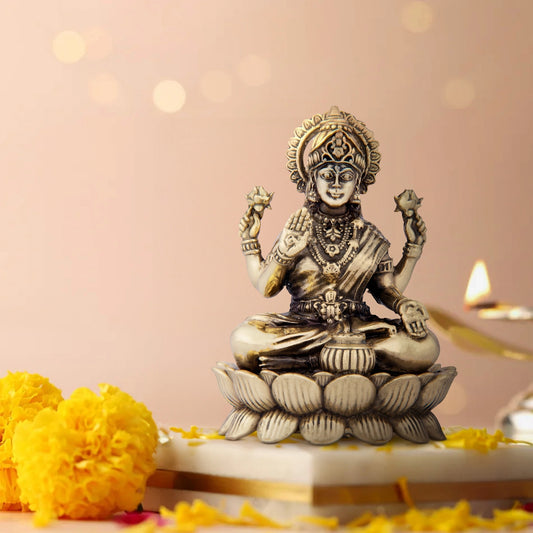
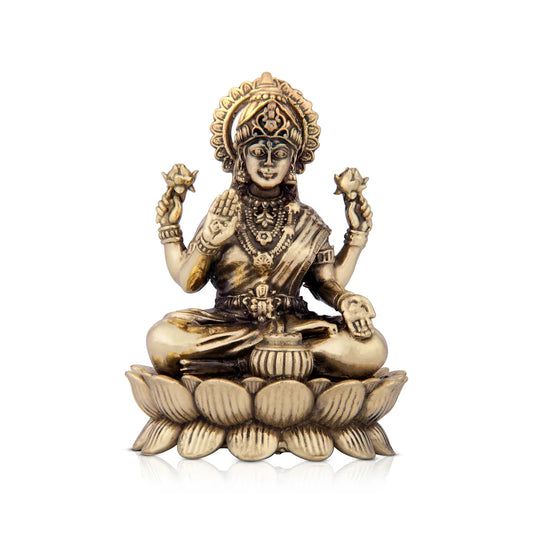
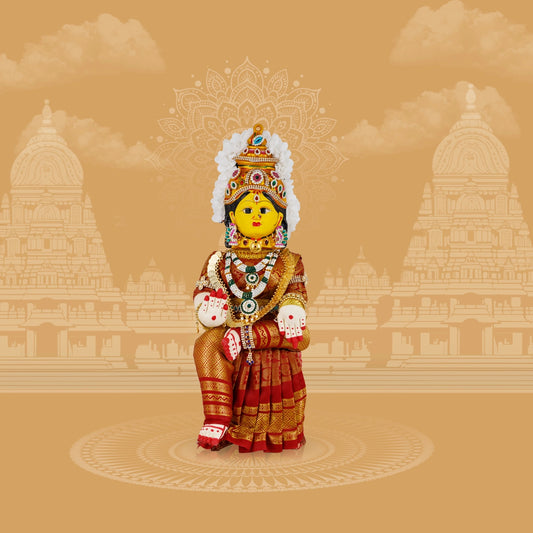
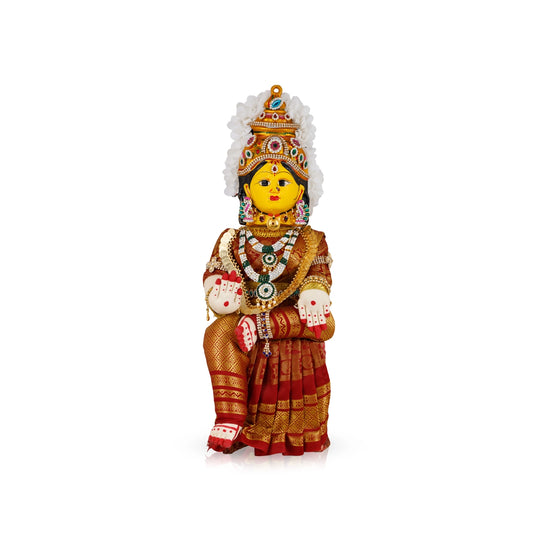
When selecting Golu dolls you should first choose traditional deities. Durga, Lakshmi, Saraswati, Ganesha and other gods and goddesses are the common characters of Golu arrangement. You may use a Durga statue as the central piece of your arrangement, especially if your theme is Shakti and victory of good over evil.
Marapachi Bommai dolls is another traditional choice for your Golu arrangement. They are the wooden pairs of dolls which are considered as an heirloom and passed from mothers to daughters in many families. If you have a pair of marapachi dolls you should put it in the central place in your arrangement instead of buying the similar dolls every year.
After selecting the main divine figures you may choose the dolls according to your theme. Chettiar and Chettiar Ammal dolls, wedding sets, musicians, village scenes, animals, farmers, saints, miniature shops and so on are the popular choices. You may also create a scene from myths or daily life.
Tips for Creating a Beautiful Navarathri Golu Arrangement
Before buying the new dolls you should review the Golu dolls that you already have. Many families have amazing pieces of Golu dolls stored from the previous generations. You should clean and restore them gently before arranging them on the steps. It is not necessary to buy too many dolls every year. The thoughtful selection always looks more beautiful than the crowded arrangement.
Traditionally the Golu steps are arranged in odd numbers such as 3, 5, 7, 9 or 11. 9-steps Golu is the most common arrangement that is associated with the nine days of Navratri. The upper levels of the arrangement represent the deities and divine figures and the lower ones represent people, animals and other aspects of everyday life.
Finally, you should choose the dolls considering the space in your home. For small apartments the 3 or 5-levels Golu will look elegant and nice. For the spacious room you may make a larger arrangement with the different themes on each step.
Added to your cart: