🚚 Track My Order


Navratri is one of the loved Hindu festivals in India. The word Navratri means "nine nights ". The festival honors the worship of Goddess Durga and her nine forms, known as Navadurga. For nine days devotees pray, observe fasts visit temples decorate their homes and take part in events like Garba and Dandiya. It brings together devotion, culture and family traditions in a way.
There are four Navratris celebrated during the year.. Sharad Navratri, observed in the autumn season is especially important. It begins on the day of Ashwin Shukla Paksha. In 2026 Sharad Navratri starts on 11 October 2026. Goes on till 19 October. Vijayadashami follows on 20 October.
Navratri reminds people that good values can overcome negativity and injustice. Devotees worship Maa Durga with faith. Ask for her blessings for strength, courage, peace and prosperity. Each day has its religious meaning and is connected to a different form of the Goddess.
Why Do We Celebrate Navratri?
One of the popular stories linked to Navratri is the battle between Goddess Durga and the powerful demon Mahishasura. According to Hindu tradition Mahishasura had received a boon that made him hard to defeat. He became arrogant. Brought chaos to the three worlds. The divine powers joined together. Goddess Durga appeared to fight him. After a battle Maa Durga defeated Mahishasura.
This story stands for the victory of good over evil. It also shows how feminine power or Shakti is a source of courage and protection. During Navratri devotees worship forms of Maa Durga. Each form represents qualities such as strength, wisdom, patience, compassion and spiritual power.
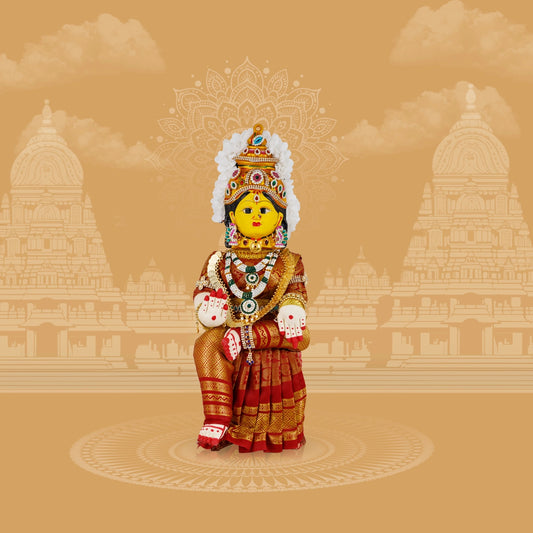
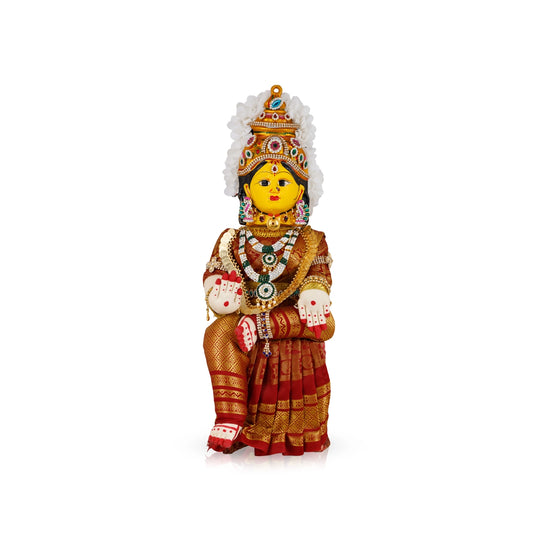
Navratri is celebrated in ways across India. In Gujarat people enjoy Garba and Dandiya nights. In West Bengal Durga Puja is celebrated with decorated pandals and traditional rituals. In North India devotees observe fasts. Worship Maa Durga. In South India families celebrate traditions like Golu. These differences make Navratri a colorful Indian festival.
Sharad Navratri Begins and Ghatasthapana
Sharad Navratri begins on 11 October 2026 with the ritual of Ghatasthapana also called Kalash Sthapana. This marks the start of Navratri worship. During this ritual a Kalash is placed in an holy space. Prayers and traditional ceremonies are performed to invite Goddess Durga.
Barley seeds are usually sown in a bed of soil as part of the ritual. The growing barley symbolizes growth, prosperity and new beginnings. A water-filled Kalash, along with traditional items becomes the center of the puja. Families then continue their prayers for the rest of the Navratri days.
Ghatasthapana is traditionally done during a time on Pratipada after sunrise and before midday. The exact Muhurat may differ based on the city and local Panchang. So families often check their Panchang or talk to a priest before doing the ritual.
Durga Ashtami
Durga Ashtami, observed on the day of Navratri is one of the most important days of the festival. Devotees offer prayers to Maa Durga. They perform pujas at home and in temples. In parts of India this day is also linked to Kanya Puja, where young girls are worshipped as forms of the Divine Mother.
Devotees may offer flowers, fruits, sweets, halwa, puri and other traditional foods to the Goddess. Many families invite girls into their homes wash their feet and give them food and gifts as a sign of respect.
Durga Ashtami is a day to reflect on the strength and grace of Shakti. People use this occasion to pray for the courage to face challenges and for peace and happiness in their families. In 2026 regional Panchang traditions might place Ashtami and Navami on the civil date. So it’s best to check calendars for exact rituals.
Maha Navami
Maha Navami is the final day of Navratri. It is dedicated to the worship of Maa Siddhidatri, the form of Goddess Durga. Devotees perform prayers, pujas and homams. They seek the blessings of the Goddess before the festival ends.
In some regions Maha Navami is also linked to Ayudha Puja. On this day tools, instruments, books, vehicles and other work-related things are. Worshipped. This tradition teaches respect for the things that help people earn their living and support their life.
Navratri ends with the celebration of Vijayadashami or Dussehra. The festival leaves behind a powerful message: strength should be used with wisdom and good values should always guide our actions. For families Navratri is not just a time for celebration. It is also a time, for prayer, self-discipline and spending moments together.