🚚 Track My Order


Navratri is the beloved Hindu festival in India. Nine nights and ten days devoted to devotion, prayers, dancing, fasting and traditions make it one of the most special festivals in this country. The meaning of navaratri comes from the two Sanskrit words: "Nava" means nine and "Ratri" means nights. The main purpose of this festival is the celebration of Durga mata, the symbol of Shakti – divine feminine power.
The origin of Navratri Celebrations is associated with the victory of Goddess Durga over the demon Mahishasura. According to the Hindu legend, Mahishasura grew into a powerful demon and began to create problems both for gods and people. Goddess Durga fought against the demon for nine days and defeated him on the tenth day. Therefore, Navratri is seen as the celebration of good overcoming evil.
Different Navaratri Celebrations take place in various states of India. People in Gujarat celebrate Garba and Dandiya, in West Bengal – Durga Puja. In Tamil Nadu, Karnataka and Andhra Pradesh, people arrange their traditional navarathri golu – Golu Dolls on steps (Golu padi). However, despite the differences in the customs of this celebration, the general sense remains the same – prayers, devotion, family reunion and the celebration of Shakti.
The Importance of Each Day of Navratri
The nine days of Navratri are usually devoted to the worship of the different forms of Goddess Durga. All nine forms are called Navadurga, and devotees pray to them for gaining courage, wisdom, peace and prosperity.
Day 1: Shailaputri
This is the day of the worshipping of Goddess Shailaputri, who is considered the daughter of the Himalayas. During this day, devotees perform Kalash Sthapana and begin the festival by performing the prayers. This day is associated with spiritual renewal, as well as with strength and purity.
Day 2: Brahmacharini
Devotees honour Goddess Brahmacharini on the second day of the Navratri. She is the goddess of devotion, patience and determination. Usually, devotees pray to her during this day for gaining inner strength.
Day 3: Chandraghanta
During this day, Chandraghanta, the goddess with a crescent moon on her forehead is worshipped. She is associated with courage and peace. Many devotees think that worshipping her can bring confidence and remove the fear from the person.
Day 4: Kushmanda
Goddess Kushmanda is honoured during this day. She is considered the goddess of the creation of the universe. Devotees ask her blessings during this day for gaining health, energy and prosperity.
Day 5: Skandamata
The fifth day is dedicated to Skandamata, the mother of Lord Kartikeya. She is the goddess of motherhood and represents care and compassion. Devotees honour her on this day to ask her blessing for the wellbeing of their children.
Day 6: Katyayani
Devotees celebrate Goddess Katyayani on the sixth day. She is considered a powerful form of Durga mata. Devotees ask for her blessings during this day for gaining courage and strength.
Day 7: Kalaratri
Kalaratri, the powerful form of Goddess Durga is worshipped during the seventh day. She is the goddess of power which removes fear and darkness. Her worship reminds devotees that courage and faith can help to solve all the problems.
Day 8: Mahagauri
Goddess Mahagauri is the goddess of purity and peace, and she is worshipped on this day. Ashtami is considered an important day in many regions of India, so special pujas and offerings to the Goddess take place on this day.
Day 9: Siddhidatri
Devotees worship Siddhidatri, the goddess of wisdom and spirituality, on this day. The nine-day worship of the goddesses usually ends with special prayers or Kanya Puja.
Golu Dolls and Golu Padi: The Beautiful South Indian Tradition
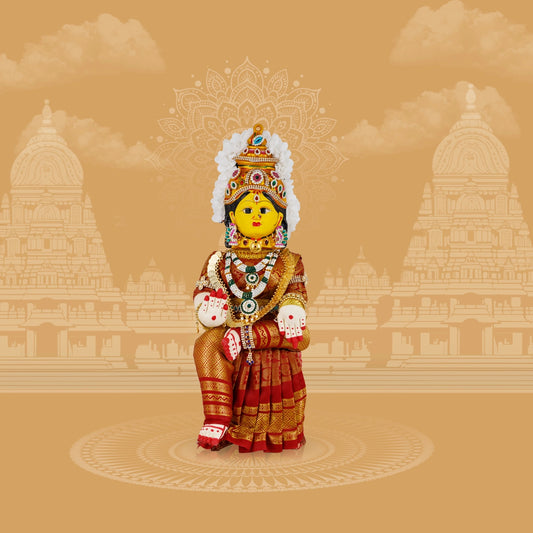
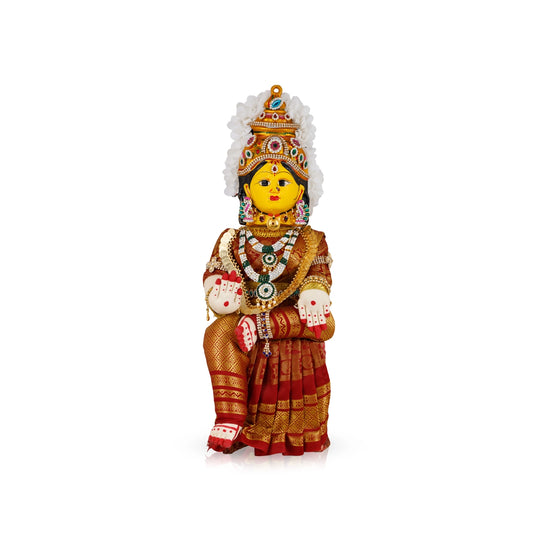
The main Navaratri tradition in South India is the navarathri golu. During this festival, people arrange colorful Golu Dolls on a series of decorated steps called Golu padi. These dolls may represent various gods and goddesses, village scenes, wedding scenes, musicians, animals and characters from the legends of Hinduism.
Golu arrangement usually becomes a family activity. The Golu padi is decorated with the lamps, flowers and colorful cloth, and the dolls are arranged on every step. Relatives, friends and neighbors visit each other on this day, exchange the sundal, sweets and other prasadam and take part in the prayers.
There is an educational component of this tradition – children can see various aspects of Indian culture, mythology and ancient legends. Every year, families add several new dolls to their collection, and this makes the festival a mixture of devotion, creativity and family memory.
Garba, Dandiya and Other Navaratri Celebrations
The nights of Navratri are full of the Garba and Dandiya dance in Gujarat and other regions of India. People dress in traditional clothes, gather in big groups and dance around the image of the Goddess. These celebrations are not just entertaining, but also a way to express devotion and community spirit.
The Navratri is celebrated as the Durga Puja in West Bengal. The people decorate pandals and perform various cultural programs and traditional prayers. The people of northern India usually observe fasts and visit the temples. The tenth day of the festival is celebrated in various regions of India as Vijayadashami or Dussehra.
The beauty of Navaratri Celebrations is in their diversity – every region has its own customs, food, music and rituals. However, the message is the same – faith brings strength, goodness can overcome evil, and the divine feminine deserves respect and devotion.
Why Do We Celebrate Navratri?
The importance of the Navratri does not stop at nine days of the celebration. The festival gives devotees a chance to pray, to think and to connect with their spiritual side. Many people observe fasts, avoid some foods and pray more often during this time.
Navratri is also a holiday which unites families and communities. There are plenty of opportunities to celebrate together – from the preparation of the puja space to the Golu Dolls arrangement, temple visits, Garba, Dandiya and Durga Puja nights or preparation of the festive dishes.