🚚 Track My Order


Pithori Amavasya 2026 will be observed on 10 September 2026, Thursday. It is a holy Amavasya dedicated to the Divine Mother and holds significant importance for mothers who pray for the good health, longevity, happiness and protection of their children. Pithori Amavasya is celebrated across various regions of India with different rituals and customs.
The day is associated primarily with the worship of Goddess Durga, Goddess Parvati, Pithori Mata, and the 64 Yoginis. The devotees remember their ancestors on this day and may observe Tarpan on Amavasya. The festival is a combination of praying for the welfare of families, motherhood, prosperity, and spirituality.
Why Is Pithori Amavasya Celebrated?
Pithori Amavasya is celebrated mainly for the well-being and protection of the children. The mothers fast on this day and pray to the Divine Mother for their children's good health, longevity, success and protection. This festival shows the love and care of a mother for her children along with prayers and gratitude towards God.
The word 'Pithori' is linked with pith, which means flour or grain-based preparations made for worshipping purposes. While conducting the traditional puja, devotees make symbolic figures of the Goddess, 64 Yoginis & other sacred objects using flour. The symbolic figures hold great significance in terms of representing fertility, nutrition, motherhood, and divine feminine energy.
Goddess Durga and Goddess Parvati are worshipped as Shakti incarnations of the Divine Mother. Also, the 64 Yoginis are considered as strong forms or manifestations of Devi's Shakti. Their worship helps in gaining strength, protection, and positivity in the family.
Pithori Amavasya 2026 Rituals
The day generally starts with bathing and having a clean and peaceful puja place. Mothers observing the vrat take a sankalp for the well-being of their children and family. Some devotees observe a fast throughout the day, whereas others have a simple fast depending upon their physical condition and traditions.
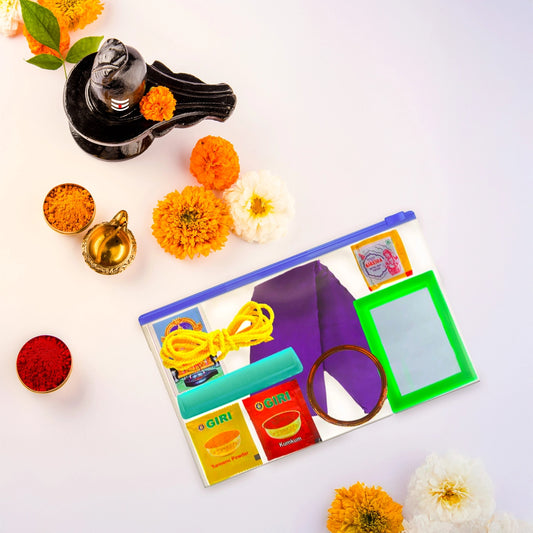
The items for the puja, like symbolic figures of Pithori Mata, the 64 Yoginis, and Sapta Matrikas can be made with wheat flour or any other traditional material. Other items used in puja include turmeric, kumkum, rice, flowers, diya, incense, roli, mauli, and sweets. Traditional offerings include roti, puri, kheer, jaggery, ghee, and other home-cooked foods.
The puja and prayer are done to Goddess Durga or Goddess Parvati in the evening. You may also listen to or read the Pithori Vrat Katha on this day. Since it is Amavasya, some people perform Tarpan or prayers for their ancestors with simple offerings. The rituals differ from region to region.
Do's on Pithori Amavasya
First of all, it is essential to celebrate the festival with a calm and sincere mind. Have a bath, dress yourself in clean clothes, clean the puja place and prepare offerings with devotion. Decide the kind of fasting you will be doing if you are going to keep it on this day.
Pray to Goddess Durga, Goddess Parvati, and the 64 Yoginis. Listen to or read the Pithori Vrat Katha with your family members. Acts of charity, helping someone needy, feeding people, and offering food to cows or animals are also considered great ways of celebrating the day.
If your tradition is to collect kusha grass on this day, you must follow it by respecting the method of collection. Kusha grass has great significance in many Hindu rituals and is used widely for sacred ceremonies.
Don'ts on Pithori Amavasya
Do not indulge in arguments, anger, abuse, and negative thinking during the holy day. The aim of fasting is not only fasting, but also maintaining a peaceful environment at home. You may spend some quiet time in prayers, contemplation or reading spiritual books.
Do not force yourself to observe a strict fast if you are unhealthy or unable to observe it. It should be remembered that religious practices should be performed with devotion and common sense. Pregnant women, elderly, children, and people with certain diseases should perform appropriate rituals.
It is also better to avoid waste of food or unnecessary preparations for showing off. Pithori Amavasya is a festival of faith, family, gratitude, and blessings of the Divine Mother. Observing the rituals in a simple manner may help in getting more blessings.
Spiritual Significance of Pithori Amavasya
Pithori Amavasya 2026 is more than just a fasting day. It is a day when families pray for their protection, remember their ancestors, and seek the blessings of the Divine Mother. Worship of Goddess Durga, Goddess Parvati, and the 64 Yoginis signify the strength and motherly qualities of Shakti.
Pithori Amavasya is a wonderful occasion for Indian families to remember the mother-child relationship. Whether you perform all the traditional rituals or keep it simple, devotion, gratitude, kindness as well as prayers for the welfare of the family are its real essence.