🚚 Track My Order


Every month, devotees of Lord Ganesha observe Sankashti Chaturthi with great faith, believing that the remover of obstacles blesses them with wisdom, prosperity, and success. Each Sankashti Chaturthi is associated with a unique form of Lord Ganesha, and Gajanana Sankashti Chaturthi 2026 is dedicated to Lord Gajanana, the elephant-faced form who defeated the demon Lobhasura.
However, Lord Gajanana's story is not just a story of good overcoming evil. It is a lesson that pride and greed can become so powerful that they can break down any powerful being.
Let's find out what is the meaning of Gajanana Sankashti Chaturthi, learn about the inspiring legend of Lord Gajanana and Lobhasura, and the rituals performed on this holy day by Lord Ganesha's devotees.
What Is Gajanana Sankashti Chaturthi?
Gajanana Sankashti Chaturthi is performed on the fourth day (Krishna Paksha Chaturthi) after the full moon every month. Every monthly Sankashti Chaturthi is dedicated to a different form of Lord Ganesha, and this festival will be celebrated for Lord Gajanana.
The word "Gajanana" means "one with the face of an elephant." Gajanana is believed to be the divine incarnation of intelligence, strength, compassion and patience of Lord Ganesha. Devotees observe a fast starting from sunrise till moonrise and perform special puja and the Sankashti Vrat Katha to earn the blessings of Lord Ganesha for obstacle-free life.
The Story of Lord Gajanana, Kubera and Lobhasura
The legend of Lord Gajanana and Lobhasura is mentioned in the Mudgala Purana.
In ancient times, Kubera – the god of wealth – performed severe penance and pleased Lord Shiva, and as a reward, he was given permission to visit Mount Kailash any time he wanted to. Kubera started feeling proud of his position and wealth.
Once visiting Kailash, Kubera looked at Goddess Parvati with lustful eyes. This irritated her, and as she threw Her divine gaze at Kubera, he became fearful of Goddess, and from the same fear was born the demon Lobhasura. The word "Lobha" means "greed," and thus Lobhasura became the embodiment of greed and endless desire.
Later Lobhasura pleased Lord Shiva and gained some boons which made him almost invincible. His greed only increased with time, and he started conquering various kingdoms, defeating kings, disturbing sages and disrupting religious functions in all three worlds. Gods and devotees started suffering a lot because of Lobhasura's tyrannical rule.
Seeing that nobody was able to overcome Lobhasura, Gods approached Lord Ganesha to protect them. Responding to their prayers, Lord Ganesha appeared in His Gajanana form.
Lord Gajanana challenged Lobhasura, but instead of overpowering him with His divine powers, He first tried to bring him to the right path through wisdom. He told Lobhasura that greed would never bring peace to him, and that the desire of infinite power ultimately destroys the one possessing it.
Realizing that he could never defeat the divine powers of Lord Gajanana and believing His words, Lobhasura submitted himself to Lord Gajanana. Then Lord Ganesha forgave him and advised him to get rid of his greed and follow the righteous path.
Thus, the compassionate end of this legend makes it even more significant. Lord Gajanana didn't destroy Lobhasura, instead he transformed him through wisdom and compassion.
The Spiritual Message of the Legend
The legend of Kubera, Lobhasura and Lord Gajanana contains a timeless message. The pride of Kubera had caused greed to arise, and that greed had become the powerful force which was threatening the whole world.
Even today, humans face problems related to greediness for money, power, recognition and success. However, the ambition is not bad in itself, but the uncontrolled desire usually causes stress and dissatisfaction.
This legend reminds Lord Gajanana's devotees to stay modest no matter how successful they are. Elephant's face of Lord Gajanana symbolizes wisdom, big ears symbolize listening ability, and His calm expression symbolizes patience and self-control. So, on Gajanana Sankashti Chaturthi devotees pray to overcome the negative qualities such as greed, anger, ego and attachment.
How to Celebrate Gajanana Sankashti Chaturthi?
On this day devotees take bath in the morning and clean their houses and puja room. They observe a strict fast till moonrise, chanting the mantras of Lord Ganesha and reading the Sankashti Vrat Katha.
A beautiful Ganesha idol is kept on the altar and worshipped. Durva grass, fresh flowers, sandalwood paste, turmeric, kumkum, fruits, coconuts, and modaks are offered to Lord Ganesha. In the evening, devotees perform aarti of Lord Ganesha, make prayers after moonrise and end the fast by sharing prasadam with family members. Visiting the Ganesha temple, doing donations of food or helping people in need are also considered very auspicious on this day.
Essential Pooja Items for Gajanana Sankashti Chaturthi
In order to perform the rituals correctly, devotees prepare these Pooja items in advance:
Ganesh statue or idol
Durva grass
Fresh flowers
Kumkum and turmeric
Sandalwood paste
Coconut
Betel leaves and nuts
Modaks or laddoos
Fruits
Incense sticks
Camphor
Ghee or oil lamp
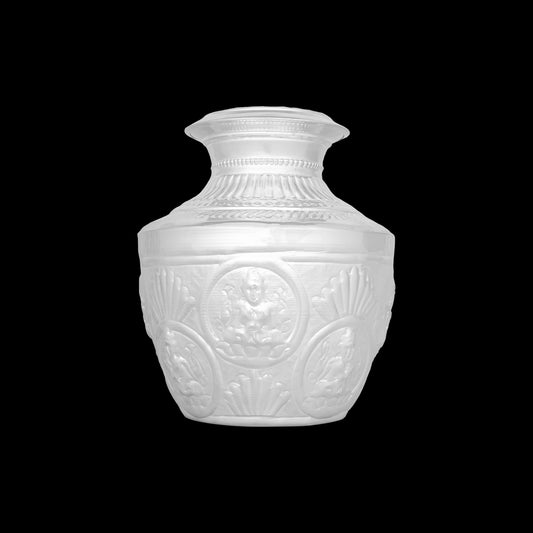
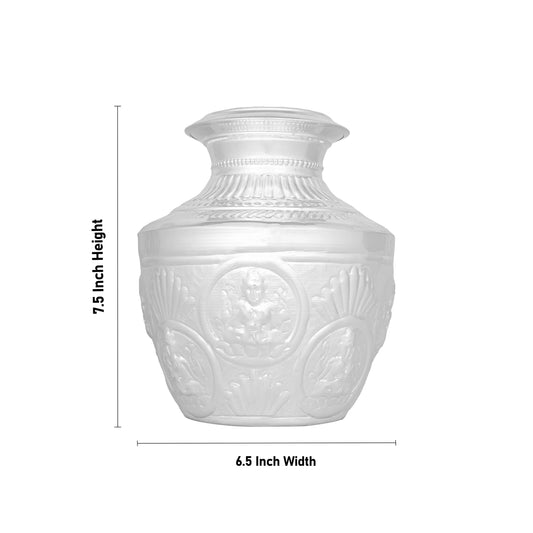
Kalash
Aarti plate and bell
Having these sacred items prepared will help devotees to perform the pooja with devotion and in accordance with the tradition.
Conclusion
Gajanana Sankashti Chaturthi 2026 is not only the day of fasting and worshipping but also the day when Lord Ganesha's devotees can contemplate the profound message of this legend. The legend tells that pride results in greed, greed causes suffering, and the real peace can be gained only with the help of modesty and wisdom.
While praying in front of the Ganesha statue and preparing the traditional Pooja items, let's keep in mind Lord Gajanana's message. If we will renounce greed, being grateful and modest, then we will invite happiness and prosperity in our lives.