🚚 Track My Order


Bhadrapad Amavasya or Pithori Amavasya is a significant festival of the Hindus that comes after the Bhadrabad Poornima of Bhadrabad month. This auspicious Amavasya day involves praying for the prosperity of your family members and blessings of ancestors and divine mothers.
However, what makes this Amavasya unique from others? It is the significance of this festival with Mother Goddess or motherhood.
When Is Bhadrapad Amavasya Or Pithori Amavasya 2026?
Bhadrapad Amavasya comes in the month of September in the year 2026. However, the exact date of the festival may vary a bit due to the difference in the regional lunar calendar.
Devotees usually follow some fasting, charitable acts, prayers, etc, depending upon their family customs. Before going for the Puja of a particular muhurat, one should check it from the Panchang of his/her city.
Why Is Pithori Amavasya Called Pithori?
As per Hindu custom, the name of this Amavasya came because of the preparation of Pithori – a particular dish that people usually cook using flour. The preparation of small figures or symbolic representation of deities with flour is a significant part of Pithori Amavasya worship.
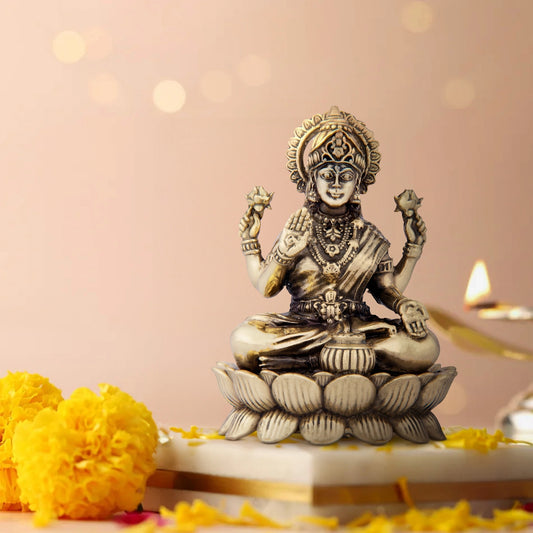
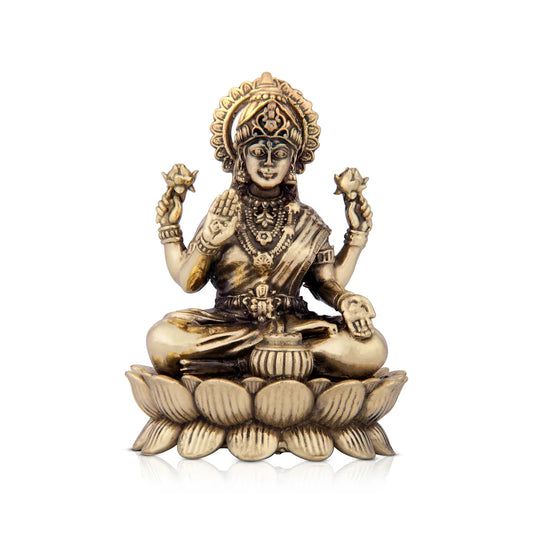
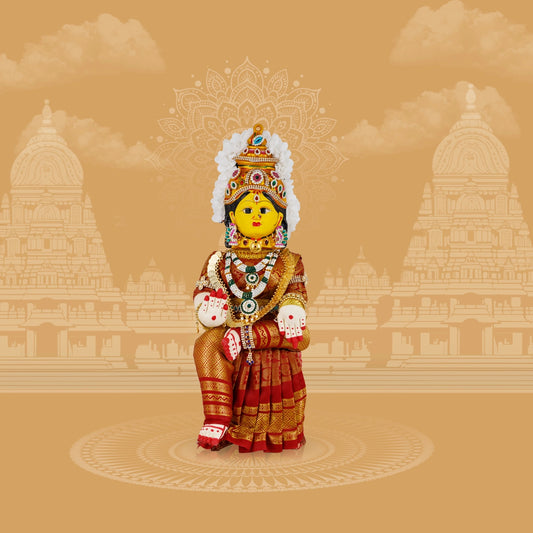
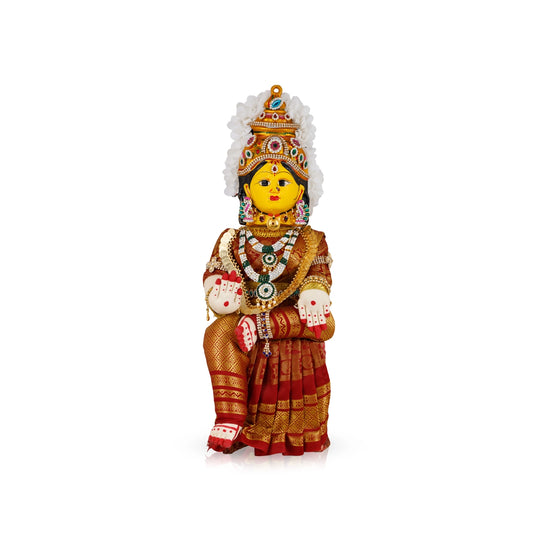
This festival is particularly dedicated to worshiping the Goddess Pithori, an incarnation of Shakti and believed to bless her devotees with good health and prosperous future for her devotee's children. The festival is all about sending a beautiful message about a mother's affection, prayers, and wishes for her child.
The Legend behind Pithori Amavasya
There is a very famous story behind the celebration of Pithori Amavasya. A sad mother lost her children and wanted to pray for her children's well-being. Then, the Goddess asked her to worship her on this day of Amavasya.
As a result, she received blessings of the Goddess and got back her children. This story is celebrated with great respect every year as the symbol of faith of people in divinity and motherhood.
The legend varies from one region to another but the theme of the legend is always the same i.e., praying for the protection, health, and long life of your children and family members.
Rituals on Pithori Amavasya
There may be variations in rituals according to the community but some of the general ones are as follows:
Taking bath in the early morning and putting on clean clothes.
Cleaning the area of the Puja and decorating it with flowers and rangoli.
Worshiping the Pithori Goddess and other Shaktis.
Cooking traditional food offerings like Pithori.
Performing Arghya of the God by offering fruits, sweets, flowers, etc.
Fasting if possible according to the personal health and family tradition.
Praying for the health and happiness of the children and family members.
Performing donations by giving useful things such as food, clothes, etc.
Some people perform the puja to remember their ancestors on Amavasya.
Spiritual Significance of Bhadrapad Amavasya
Amavasya is traditionally seen as the right occasion for reflection, prayers, and memory. As Bhadrapad Amavasya is falling on an important time in the Hindu calendar, devotees prefer to use this day for improving their spiritual activities.
Pithori Amavasya adds further beauty to this festival. This festival is the worship of Shakti that is symbolized in this festival as the nourishing force of motherhood. Prayers in this festival are not for worldly wishes but for the inner strength, protection, and peace of family members.
A Day of Faith, Family, And Gratitude
Bhadrapad Amavasya or Pithori Amavasya is more than a fasting day. It includes devotion, traditions of the family, motherhood, donation and gratitude.
No matter whether someone performs elaborate Puja or just lit a Diya, the true meaning of the festival is simple i.e., pray with devotion, take care of your family members, and donate something if you can.
For those families that have been observing Pithori Amavasya for generations, it becomes a medium to preserve the culture and pass on its meaning to the next generation.
Added to your cart: