🚚 Track My Order


The festival of Aadi Perukku is celebrated in the Indian state of Tamil Nadu as one of the most significant events of the year. Aadi Perukku takes place on the 18th day of the Tamil month Aadi in July or early August. Unlike other Hindu festivals, which are mainly held in honor of gods and deities, Aadi Perukku is devoted to nature and water.
Since the dawn of time, families gathered near the banks of rivers and performed prayers and rituals, cooked traditional meals, and enjoyed each other's company. On that day people worship water as divine energy that gives people life. Farmers always await the start of Aadi Perukku with hope that it will bring favorable weather conditions.
Though in modern times people mostly live in towns and cities, they do not forget about this festival, which has deep religious, cultural, and historical roots.
What is the Significance of Aadi Perukku?
The term 'Perukku' comes from Tamil and means increasing or rising. In the context of Aadi Perukku, it refers to the water level in rivers, which starts to rise after the monsoon rains. At that time, the river Cauvery flows abundantly and brings fertile soil for the cultivation of fields.
This festival pays tribute to Mother Nature and to the divine energy of water. People of Tamil Nadu believe that since ancient times water has been considered as the form of divine energy. So, offering prayers on this day, people give thanks for good rains, rich crops, and prosperity.
Aadi Perukku has also spiritual meaning. Like rivers which flow all the time with the same purpose and strength, people's lives should flow with positivity and determination. Many devotees pray for peace, happiness, financial prosperity, and health. Newlyweds and young girls perform special prayers for having a happy family life.
Even beyond religious believes, Aadi Perukku teaches an important lesson – Nature is the source of all things people need; therefore, people should thank Nature.
History and Origin of Aadi Perukku
The custom of celebration of Aadi Perukku goes back to the times of Chola dynasty, when agriculture was the basis of economic system in South India. Rivers were important for the cultivation of fields, and kings knew this very well and organized festivals for worship of rivers which provide abundant water for farming.
Tamil literature speaks about the custom of honoring rivers and Nature in general. People considered water as something holy because it helped communities to survive, grow food, and build prosperous kingdoms. Later these customs turned into a traditional festival celebrated by devotees every year with great enthusiasm.
According to many historians, Aadi Perukku reflects the special connection between human beings and Nature which existed in ancient times of Tamil culture. People were grateful for the gifts of Nature, and showed their gratitude through prayers, offerings, and celebrations.
Today, as centuries ago, this festival reminds people of where prosperity begins.
How is Aadi Perukku Celebrated?
Celebrations of Aadi Perukku start from early morning. All families get up early, clean their houses, take a holy bath, dress up and start performing rituals. Women draw special kolams in front of their houses and prepare offerings for the ceremony.
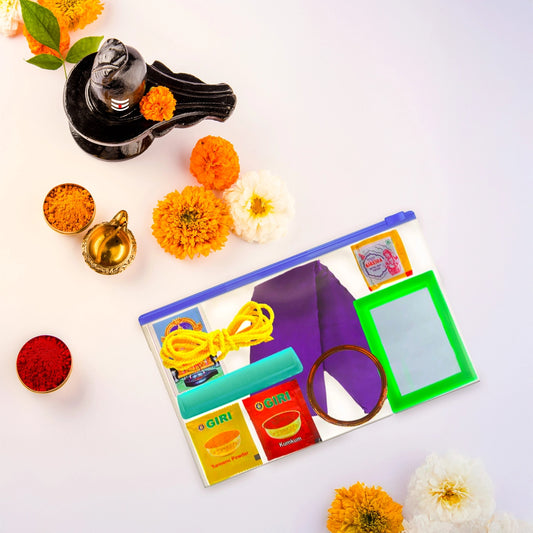
The most of devotees visit the banks of rivers, lakes, ponds, or temples. They offer various goods for river goddesses and Mother Nature, including turmeric, kumkum, flowers, betel leaves, fruits, coconuts, and lamps. Some devotees float small lamps in water.
Cooking traditional food is also an essential component of the celebration of this day. Various kinds of rice are prepared and offered to the deity before being served among family members and guests. Thus, it becomes a nice picnic near the river which is full of prayers and joys.
In some villages, people organize cultural programs, sing folk songs, and play folk games. The atmosphere is very festive, peaceful, and full of devotion.
Traditional Rituals Performed on Aadi Perukku
Prayer to rivers, especially to River Cauvery, is the most important ritual. Worshipping water in this festival helps devotees to avoid negativity and brings abundance in people's lives.
Women perform special prayers for the happiness and prosperity of their families. Married women pray for the longevity and well-being of their husbands; meanwhile, unmarried girls pray for having good husband in their future life and having a bright future. Many women replace their sacred yellow thread with a new one or put on the turmeric thread.
Farmers visit their fields and pray for a good season of cultivation. Some of them place the first seed in the ground after blessing it by Nature.
Many families make donations of food, clothes, and other necessary things for needy people. Giving is an important ritual of the festival of Aadi Perukku.
Special Foods Prepared for Aadi Perukku
Food is an integral part of this celebration. Unlike the celebration of other festivals, when people cook various curries, people cook various types of rice, which are easily portable.
The most common types of rice in this festival are: lemon rice, tamarind rice, coconut rice, curd rice, sesame rice, tomato rice, and mint rice. For dessert, people cook sweet pongal and payasam made of jaggery. Fruits, coconut, and snacks are included in the festive menu.
These dishes are simple but tasty. All dishes symbolize the joy of sharing food with family and giving thanks to Nature for her generosity.
The custom of eating together near the rivers forms beautiful memories, which many people continue nowadays.
Why Aadi Perukku is Still Important Today
Nowadays many traditions lose their sense or significance in the life of modern society; however, the festival of Aadi Perukku has not lost its importance. Today water conservation is one of the most actual problems in the world, so the festival has additional value now.
Aadi Perukku reminds people about the importance of protection of rivers from pollution and misuse. Water is necessary not only for agriculture, but also for people's life. The festival teaches people to appreciate nature.
It also unites families. Spending time together, cooking, praying, and sharing traditions helps to strengthen families' relations in today's rapidly changing world.
Thus, the festival teaches people to feel gratitude, respect to nature, and to be united. These values are always timely.
Conclusion
Aadi Perukku is more than seasonal festival. It is the manifestation of devotion to water, nature, agriculture, and divine gifts which make people's lives better. Every ritual, prayer, and traditional dish expresses gratitude to rivers which enrich the lands and its people.
Celebrating it in the banks of Cauvery or with family members, Aadi Perukku reminds people to appreciate and protect nature for future generations. It is a beautiful example of how Indian traditions unite spirituality and wisdom.