
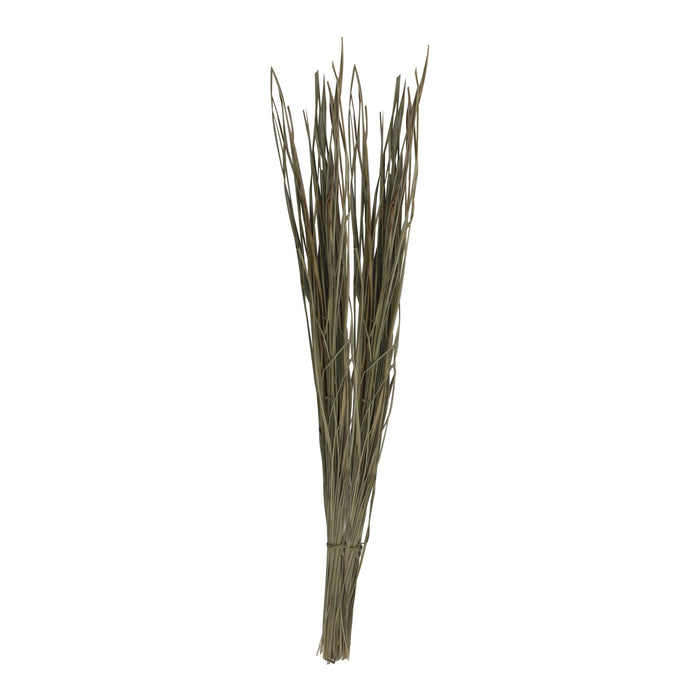


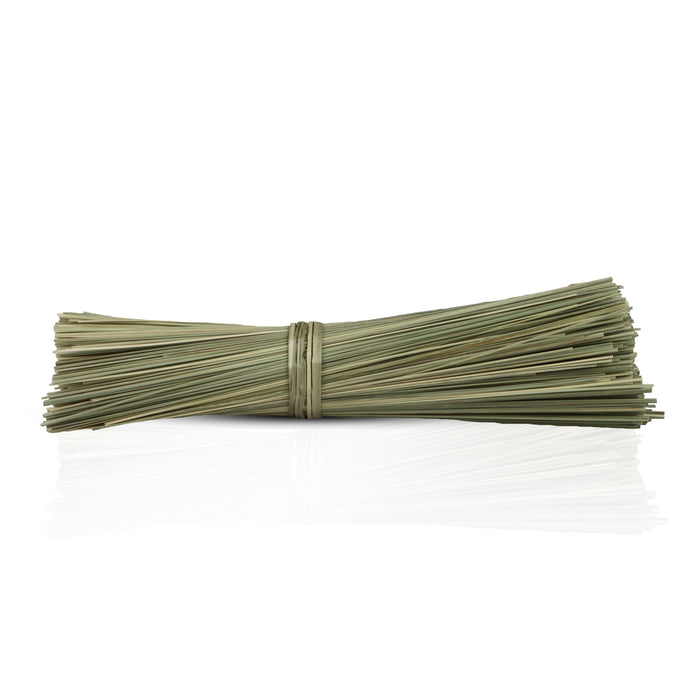
Giri Darbai Grass | Darba Grass/ Tharbai Pul/ Kusha Grass for Pooja
• Giri Darbai Grass – Traditional Sacred Grass for Pooja and Religious Rituals
"In traditional Hindu worship, even the simplest natural elements can carry deep spiritual meaning when offered with faith and reverence."
• Giri Darbai Grass is a traditional pooja essential used in various Hindu rituals, ceremonies, and religious observances. Also known as darba grass, this sacred grass is valued for its long-standing association with purity, auspiciousness, and Vedic worship.
• Kusha grass holds an important place in several Vedic rituals and is mentioned in ancient Hindu scriptures. It is traditionally used during pooja, homam, tarpanam, meditation, and other religious practices, making it an essential natural material for many traditional ceremonies.
• The grass is also commonly known as kusa grass, a name frequently used in Sanskrit-derived religious terminology. Different regions and traditions may use different names for the same sacred grass, including Darbha, Kusha, and Kusa.
• In South Indian households, darbai pul is traditionally kept ready for pooja and religious ceremonies. It can be used according to the specific customs followed by the family, temple, or priest during the particular ritual.
• Darba grass is especially associated with Vedic ceremonies and homams. It may be used for preparing ritual arrangements, placing sacred objects, or performing specific procedures prescribed by the tradition being followed.
• During religious ceremonies, kusha grass is traditionally handled with care and used in accordance with ritual practices. It is often associated with cleanliness and the creation of a spiritually appropriate space for worship.
• This sacred kusa grass can be useful during occasions such as Ganesh Chaturthi, Navaratri, Amavasya rituals, Pitru-related ceremonies, homams, housewarming functions, and other religious observances where Darbha grass is prescribed.
• The traditional use of darbai pul extends beyond ordinary pooja and can be found in practices involving offerings, sacred water, meditation, and Vedic rituals. Its importance varies according to the particular ceremony and regional tradition.
• Keeping darba grass in your pooja collection is useful for families who regularly perform traditional Hindu rituals at home. It can be stored along with other essentials such as kumkum, turmeric, sandal paste, sacred threads, flowers, lamps, and pooja vessels.
• This kusha grass can also be useful for priests, temples, Vedic practitioners, and devotees who require traditional ritual materials for religious ceremonies. Its natural form maintains the connection between worship and the traditional use of sacred plants.
• Since different rituals prescribe different methods of using kusa grass, devotees should follow the instructions of their family tradition, temple priest, or Vedic practitioner when using it for a specific ceremony.
• Store darbai pul in a clean, dry place and handle it respectfully as a sacred pooja material. Keeping it protected from excessive moisture helps maintain its condition until it is required for worship.
• More than an ordinary grass, darba grass represents the long-standing connection between nature and Hindu spiritual practices. Its continued use in religious ceremonies reflects the importance given to natural elements in traditional Vedic worship.
• Bring Home Giri Darbai Grass and Keep This Sacred Natural Pooja Essential Ready for Traditional Rituals, Homams, and Religious Observances with Faith and Reverence.
