
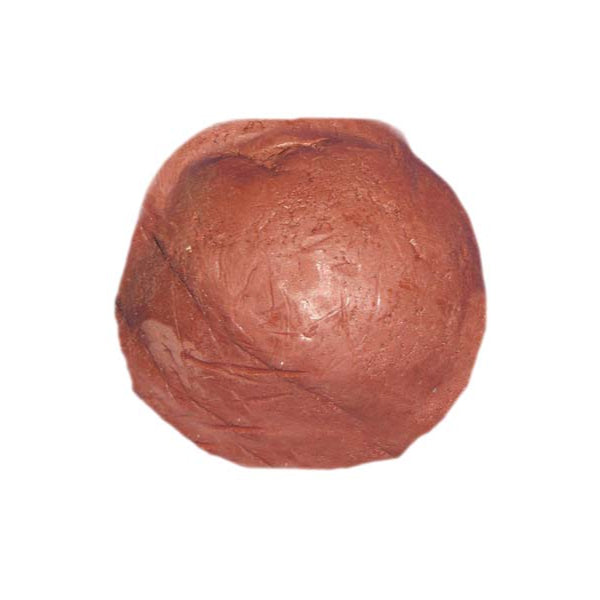
Ashtabandhanam God Seat Paste | Ball Shape Astabandanam/ Astabandhanam For Temple And Deity
• Give sacred temple worship a traditional foundation with Ashtabandhanam God Seat Paste, specially prepared for devotional use in temple and deity installation practices.
“Where the Divine is respectfully established, tradition guides every sacred preparation with care, purity, and devotion.”
• Ashtabandhanam is traditionally associated with the sacred process of securing and consecrating a deity in its designated pedestal or seat.
• This ritual material is particularly connected with temple traditions where the deity is established firmly in the prescribed position during installation ceremonies.
• The ball-shaped form makes the material convenient to handle when preparing it according to the customary ritual procedure followed by qualified temple priests.
• In traditional deity consecration, every preparation is handled with reverence because the pedestal becomes the sacred seat through which worship is continued.
• The product is intended for temple and deity-related rituals rather than ordinary household decoration or general adhesive applications.
• Astabandhanam is traditionally connected with the concept of establishing the deity securely upon the sacred seat during prescribed temple rituals.
• Temple installation ceremonies involve detailed procedures, mantras, offerings, and purification rites, with the exact method varying according to Agama and regional traditions.
• Ashtabandhanam is used in traditional contexts where the deity’s pedestal requires a specially prepared sacred binding substance during consecration-related work.
• The ball-shaped presentation allows the required quantity to be managed more conveniently during ritual preparation without unnecessary handling.
• Astabandanam carries an important place in certain South Indian temple traditions connected with deity installation and renewal ceremonies.
• Such sacred preparations are generally used under the direction of experienced temple priests who follow the appropriate Agamic or customary procedure.
• The spiritual purpose is not simply physical fixation, as the installation ceremony traditionally represents the formal establishment of the Divine presence for continued worship.
• The sacred seat of a deity is treated with great respect because it forms an important part of the temple’s ritual arrangement.
• Temple customs can differ between traditions, so preparation, application, quantity, and accompanying rituals should be followed according to the guidance of the officiating priest or temple authority.
• The compact ball form helps preserve the traditional presentation while making the material practical for ritual handling during temple work.
• During consecration, the physical establishment of the deity is accompanied by prayers and sacred observances intended to sanctify the temple space.
• Keep the product in a clean, dry, protected place and handle it only with clean hands or suitable ritual implements when required.
• astabandhanam should be used only according to the prescribed temple practice, since the ritual procedure and composition may vary between different traditions and temples.
• Bring together sacred tradition, careful temple practice, and heartfelt devotion with ashtabandhanam, prepared for those meaningful moments when the Divine is ceremonially established upon the sacred seat.
