🚚 Track My Order


Radha Ashtami is a sacred festival observed with devout fervor by Hindus all over the globe. It is the birthday of Goddess Radha, the eternal consort of Lord Krishna. The relationship between Radha and Krishna is one of the most beloved and venerated in Hindu mythology, epitomizing divine love, purity, and devotion. Radha Ashtami festival honors not only the birth of Radha but also what she represents not only unconditional love but also devotion and grace.
Who Is Goddess Radha?
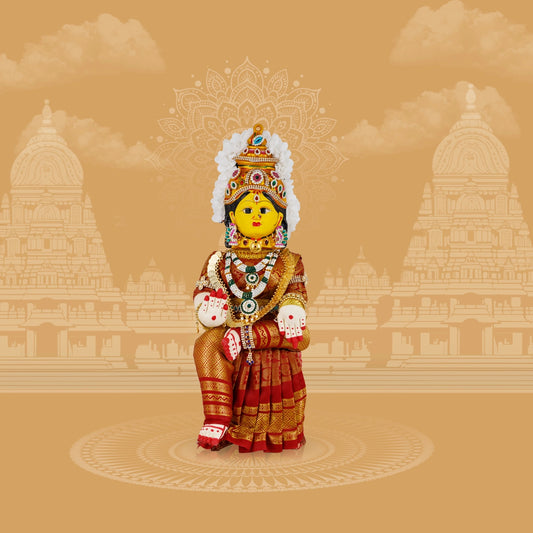
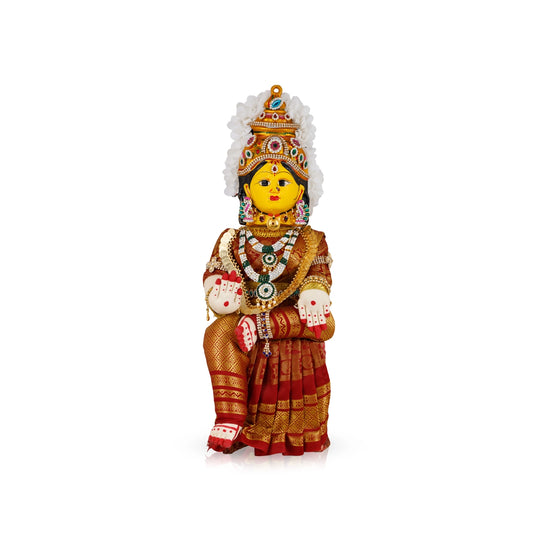
Goddess Radha is not merely the darling of Lord Krishna. She is the epitome of energy in Hinduism, symbolizing the love of soul for God. Her love for Krishna is held to be the ultimate devotion. The sacred texts say that Radha was born in Barsana, hamlet close to Vrindavan and from early age was intensely devoted to Krishna.
Radha's affection for Krishna was so deep and chaste that it had no bounds in the material world. She is generally represented as a paragon of unconditional love, submission and devotion to God. Her love affair with Krishna has much to teach us about spiritual bonding, inner tranquility, and unconditional love.
Why Do We Celebrate Radha Ashtami?
Radha Ashtami, which falls on the eighth day (Ashtami) of Shukla Paksha (bright fortnight) of Bhadrapada month in the Hindu calendar is celebration of Radha's divine birth. This day is also considered highly auspicious for worshipping Radha and Krishna, as it is believed that they were together in their eternal love on this day.
On Radha Ashtami devotees perform several rituals & prayers to celebrate the merits of Radha. They feel that through the worship of Radha they can cleanse their hearts, eradicate problems from their life and seek blessings for spiritual advancement and prosperity.
Rituals and Celebrations
Radha Ashtami is celebrated with much fanfare in temples, especially in places associated with Krishna's childhood, like Vrindavan and Mathura. Devotees gather in large numbers to offer prayers, chant mantras and sing devotional songs. Temples are beautifully decorated with flowers and lights and the atmosphere is filled with a sense of not only devotion but also joy.
Perhaps the most important ritual of Radha Ashtami is the recitation of "Radhe Krishna" and "Hare Krishna" mantras. It is said to call upon the divine power of Radha and Krishna and bring harmony and prosperity to the devotees.
In many places, the day starts with a special puja (prayer ceremony) dedicated to Goddess Radha. Offerings of fruits, sweets and flowers are made to deities and devotees often fast or observe day of fasting and prayer to seek blessings.
The Radha worship on this day is special because it emphasizes her independent and powerful position. It is not just a day to celebrate how much she loved Krishna but also to celebrate her status as a goddess in her own right, who assists devotees in becoming spiritually advanced.
Radha Ashtami Around the World
While Radha Ashtami is most widely celebrated in India, especially in Vrindavan and Barsana, it has gained popularity among Hindus across the world. Communities in countries like Nepal, Bangladesh, and even the United States and the UK celebrate Radha Ashtami with devotion and joy. In these regions, temples and cultural organizations organize special events, kirtans (devotional singing) and bhajans (devotional songs) to honor Goddess Radha.
In Vrindavan, where love affair of Krishna and Radha took birth, festival is time for elaborate celebrations. The streets echo with devotees singing and dancing in devotion, celebrating the holy union of Radha and Krishna. In Barsana, Radha's hometown, villagers re-enact scenes from Krishna's boyhood and celebrate with folk dances and processions.
Why Radha's Love Is So Special
Radha's love for Krishna is considered unique because it holds a deep, spiritual connection. It was not bound by any material desires; it only spelled a pure, single-minded yearning for the divine. She teaches us that love can also be sheerly devotionary respect when selfless in love. Her holding unrelenting love for Krishna through various waves of separation makes her hold patents in loyalty, faith, and devotion to the spiritual plane.
Conclusion
Radha Ashtami is a day that reminds us of the eternal love and divine energy that Goddess Radha symbolizes. It is a celebration of devotion, love, and spiritual connection. By celebrating Radha Ashtami, we honor the divine presence in our lives and seek guidance for our spiritual journeys. Whether through prayer, fasting, or simply reflecting on Radha's virtues, this festival encourages us to cultivate love and devotion in our hearts, just as Radha did for Lord Krishna.