🚚 Track My Order


Nine Nights of Navratri: Celebrating Power, Devotion and Tradition
Navratri, the nine night festival is perhaps one of India's most colorful and spiritually rich festivals. It is a period of devotion and contemplation and celebration. Although festival has varying implications and modes of being celebrated in many areas the spirit is same, celebrating the power of divine feminine through dance, fasting, prayer, and bonding with community. Whether you’re someone who actively participates in the rituals or just enjoys the energy of the festivities, Navratri has something to offer for everyone.
The word "Navratri" comes from two Sanskrit words: "Nav" meaning nine and "Ratri" meaning night. Over the span of nine nights, devotees come together to honor Goddess Durga in her various forms, each representing a different aspect of power, compassion, and wisdom. The festival takes place between September and October, around the cycle of the moon in the lunar calendar. The period is when the spiritual forces of the universe change, and hence it is a time of renewal and rejuvenation.
The Spiritual Significance of the Nine Nights
Each night out of the nine days of Navratri honors a different manifestation of Maa Durga is symbol of strength along with protection. The first three evenings are for Durga's efficacy to eliminate impurities and evil forces. This is why festival begins with prayers and rituals to purify the body and mind. During these evenings devotees concentrate on ridding themselves of the spiritual and worldly burdens they have been carrying, so it becomes period for self cleansing and introspection.
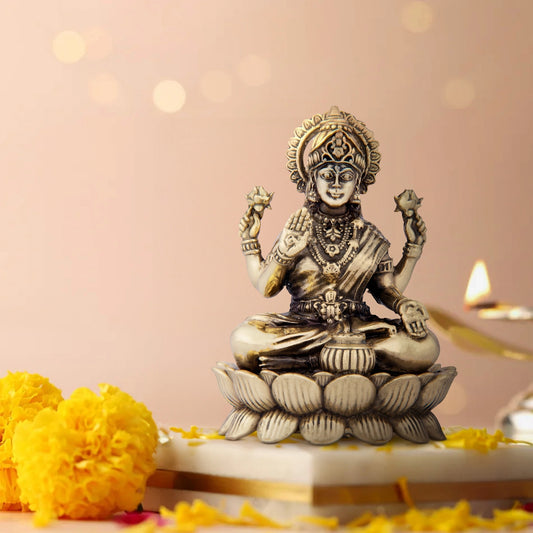
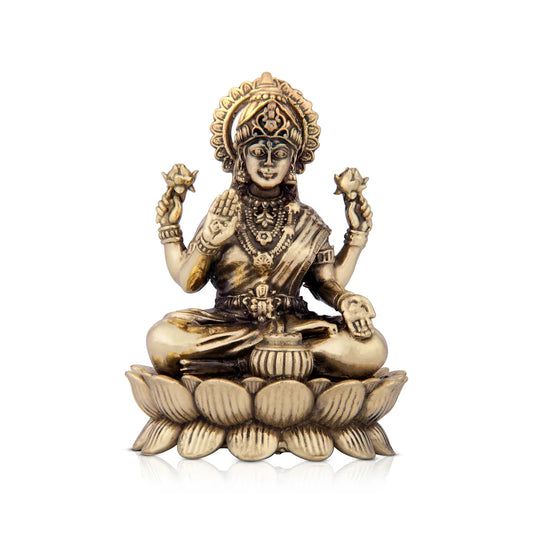
The following three nights are for Goddess Lakshmi, symbolizing wealth, prosperity & good luck. Material along with spiritual growth is prayed for by devotees during this time. According to belief, Goddess Lakshmi bestows abundance on those who worship her sincerely in all walks of life, whether it is monetary prosperity, peace of mind or spiritual growth.
A Symbol of Diversity and Devotion
Navratri celebrates colors, each of which symbolizes a different energy and meaning for the festival day. The colors are not merely for good looks; they symbolize the divine qualities of goddess being revered and the day's energies. Each color has its own meaning, linking practitioners to different qualities of goddess while generating a balanced environment over the nine evenings.
The last three nights of Navratri are devoted to Goddess Saraswati the goddess of wisdom, knowledge and the arts. This is a time of enlightenment and is commonly considered the most auspicious time to begin new learning or reinforce existing knowledge.
Garba and Dandiya: The Dance of Faith
Perhaps the most thrilling aspect of Navratri is the vibrant dances that take over the streets, temples, and houses. Garba, a classic dance of Gujarat, is a top highlight of the celebration. Men and women of all ages gather in big circles, clapping along with the beat of the music. The dance is one of worship, and with every step and every movement being a representation of devotion and love for the goddess. It's a time when communities come together to bond and share in the joys of life, and the atmosphere is just infectious.
Dandiya, also referred to as "sword dance," is another well liked dance style that is related to Navratri. The dance is between two individuals who hold painted sticks (referred to as dandiya) and clash them in rhythmic sequence. The dance is light-hearted in nature, and the spirit of competition puts a sporty touch to the celebrations. Garba or Dandiya, the dance floors are always abuzz with energy, and for those who are not professional dancers, just participating and enjoying is part of the fun.
Fasting and Prayer: A Time for Reflection and Devotion
Fasting is a general practice during Navratri, although it differs from family to family and region to region. A few of these followers are strictly fasting but others adopt lighter diet and exclude certain foods from their regular diet including grains and onions. Fasting in Navratri is not only about avoiding food but also a process to associate with divinity and cleanse the body and soul. Fasting aids in disconnecting oneself from material world's distraction and one is able to concentrate more on spiritual significance of the festival.
In addition to fasting, prayers and rituals are an essential part of the Navratri festival. Homes and temples are adorned with flowers, diyas (oil lamps), and images of Goddess Durga. Devotees pray and chant mantras, seeking the blessings of the goddess. The most common prayer is the Durga Saptashati, which is a holy scripture that narrates the victory of the goddess over evil forces. Most devotees also sing devotional songs (bhajans) and do aarti in tribute to the goddess. The environment is saturated with spiritual vibrations which assist devotees in attaining their faith at a deeper level.
The Grandeur of Durga Visarjan
The climax of Navratri comes on Durga Visarjan, the immersion of the idol of the goddess in a river or sea. It is a ritualistic time when one bids farewell to the goddess, thanking her for the favors and power she has bestowed during the celebrations. Even as it is an emotional good-bye, it also speaks of the cycle of life and death, reminding one that, just as the goddess disappears into the water, she will reappear the following year.
In other areas, Durga Visarjan is a majestic procession, with singing, dancing, and celebration as the devotees proceed to the water's edge. It is lovely scene to behold with Durga idols being submerged amidst cheers & prayers. The happiness as well as spiritualness of occasion are infectious and for many it is time for introspection over lessons garnered over nine nights of devotion.
Conclusion: A Festival that Transcends Boundaries
Navratri is not only a festival; it's a spiritual experience that brings people together from different communities, religions, and cultures. The devotion, the colors, the music, the dance, it all merges together to create an experience that is both inspiring and transformative. Whether you are doing the fast, dancing to the beat of Garba, or simply relishing the cultural richness, Navratri has something special in store for everyone.
As we celebrate the divine feminine in all her expressions, Navratri reminds us about power, devotion, and unity that she embodies. It's a reminder that irrespective of what tests life puts before us, we are ever empowered by the divine within us. So as festival takes place, let it infuse you with joy, inspiration and strength to take on whatever the future holds.