🚚 Track My Order


Diwali is also known as "Festival of Lights," is among the most lively and so much awaited festivals in India and elsewhere. It celebrates the victory of light over darkness, good over bad and knowledge over ignorance. Though the central day of Diwali is marked with celebration, happiness and prayer, the whole festival extends over five days, each representing its own importance and rituals. Let us explore the five important days that make Diwali special.
1. Dhanteras: The Start of Celebrations
Dhanteras is celebrated on the 13th day of the dark fortnight of the month of Kartika. "Dhan" signifies wealth and "Teras" means the 13th day. It is the first day of Diwali festivities. On this day, people cleanse and beautify their homes and purchase new things, usually gold or silver, as it brings good fortune and prosperity.
On Dhanteras, the followers worship Lord Dhanvantari, the health god, and Lord Kubera, the wealth god. Here, it is also a day when one prays for good health and riches in the upcoming year. A lot of families keep oil lamps or diyas lit, which represent the victory of light over darkness.
2. Lakshmi Puja: Inviting the Goddess of Prosperity
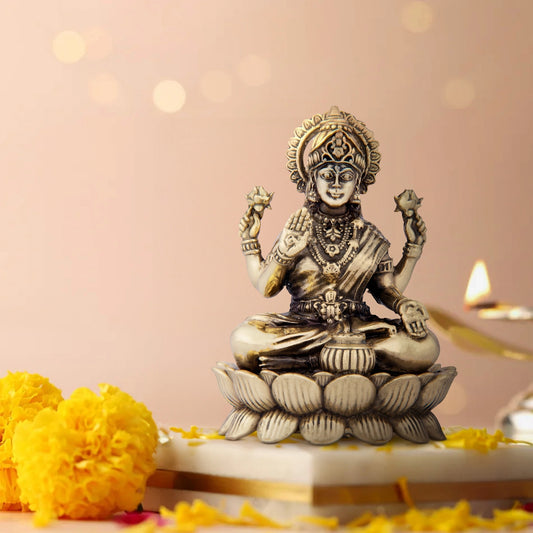
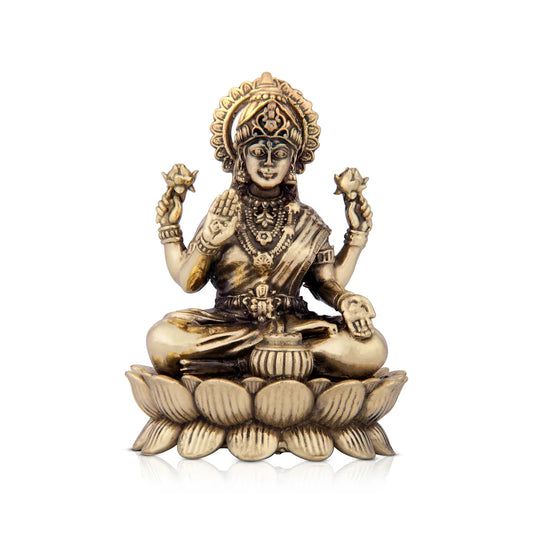
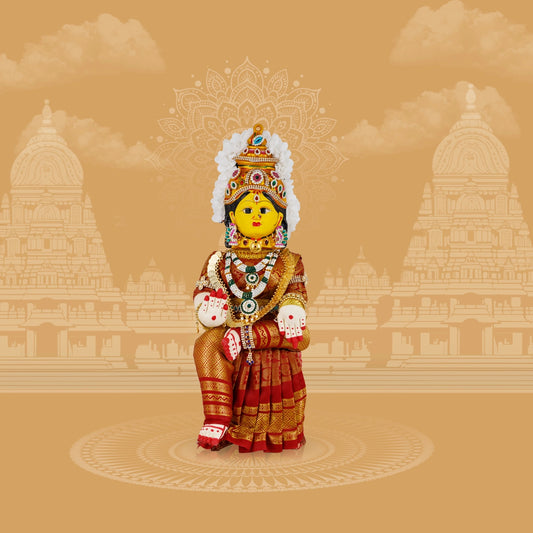
Lakshmi Puja, is perhaps the most important. On this day, people pray to Goddess Lakshmi, who is the goddess of wealth, prosperity and happiness. People believe that Lakshmi, who showers goodness and prosperity, comes to visit homes that are spotless, well-lit, and pleasant.
Families adorn their houses with flowers, rangolis, and lights to welcome the goddess. People pray, give sweets, and even firecrackers to thank her. Its a time of mending relationships, forgiving past hurts and wishing for a successful year ahead. The evening is usually spent with family and friends, eating, sweets and laughing.
3. Kartik Amavasya: The New Moon Night
The new moon night Kartik Amavasya coincides with Lakshmi Puja and is the darkest night of the year. It is a special day since it commemorates the victory of Lord Rama's return to Ayodhya, having defeated the demon king Ravana; thus, people celebrate the day by lighting lamps. The lights represent the return of Lord Rama, and darkness is kept at bay with the light of thousands of diyas.
For most, Kartik Amavasya is a day of contemplation, prayers, and worship, expressing thanks for the blessings bestowed throughout the year and asking for blessings in the months to come. The night is marked with fireworks in the sky, complementing the large-scale celebrations of Diwali.
4. Govardhan Puja: A Symbol of Protection and Devotion
Govardhan Puja is celebrated as the day when Lord Krishna lifted the Govardhan Hill to save the people of Vrindavan from heavy rains. In Hindu mythology, Krishna's followers offered puja to the hill rather than Lord Indra, the rain god. Indra retaliated by sending heavy rains, and Krishna raised the hill on his small finger to save them.
On this day, individuals construct small hills of cow dung and worship them by offering food, flowers and prayers. This puja represents thankfulness for nature's goodness along with recollection to take care of environment. It is also time to spend with family and friends while enjoying yummy food and sweets.
5. Bhai Dooj: Celebrating the Bond Between Brothers and Sisters
Bhai Dooj, the day of brother-sister bonding. It's like Raksha Bandhan but with emphasis on siblings' love and affection. The day is celebrated by sisters inviting their brothers to a celebratory meal, placing a tilak (a sectarian mark on the forehead), and offering prayers for their prosperity and long life.
In exchange, brothers present gifts to their sisters as a gesture of love and respect. The day is filled with warmth and affection and common memories. Its a glorious way of closing out Diwali festivities, strengthening family bonds and enjoying the joy of being together.
Conclusion: Diwali, a Festival for All
Diwali is not merely a festival. It is a day to bond with family and friends, ask blessings, and also rejoice the victory of good over bad. Every day has its own significance and collectively, they are the core of Diwali. Whether its buying new items on Dhanteras, lighting lamps on Kartik Amavasya, worshiping Lakshmi for prosperity or celebrating the bond of siblings on Bhai Dooj, Diwali reminds us of the importance of family, prosperity and the light that resides within us all.