🚚 Track My Order


Navratri is a major Hindu festival celebrated across India and in various parts of the world, symbolizing the victory of good over evil. This festival, which lasts for nine nights, is dedicated to Goddess Durga & each day marks an important phase of her divine journey. Whether through fasting, dancing, or offering prayers, Navratri is a time to seek blessings from the Goddess and renew our spiritual selves. Let's discover 10 significant facts regarding this festive and spiritual celebration.
The Significance of Navratri
The name Navratri is taken from two Sanskrit words "Nav- Ratri" means nine nights. Hence, Navratri is a nine-night-long celebration where devotees invoke Goddess Durga in her nine various incarnations. These nine nights are composed of various spiritual activities, religious rituals, dance as well as fasting.
The Significance of Goddess Durga
Navratri is a festival celebrating the power of the divine feminine in the form of Goddess Durga. Durga, as per Hindu mythology, vanquished the demon king Mahishasura after a long and protracted battle. The victory is remembered during the festival as the defeat of evil by good. Every day of the Navratri corresponds to a different characteristic of the Goddess, her strength, wisdom, and her protector aspect.
The Nine Forms of Durga (Nava Durga)
One of the nine forms of Goddess Durga is worshipped every day of Navratri, which is referred to as Nava Durga. The forms are as follows:
Day 1: Shailaputri – The mountain's daughter, symbolizing purity and power.
Day 2: Brahmacharini – The penance and devotion Goddess.
Day 3: Chandraghanta – The crescent moon Goddess, symbolizing strength and courage.
Day 4: Kushmanda – The universe creator, representing vitality as well as joy.
Day 5: Skandamata – The mother of Lord Skanda symbolizing motherhood and compassion.
Day 6: Katyayani – The warrior Goddess symbolizing strength & courage.
Day 7: Kalaratri – The dark manifestation of the Goddess, symbolizing destruction of evil.
Day 8: Mahagauri – The Goddess of purity as well as auspiciousness.
Day 9: Siddhidhatri – The Goddess who bestows divine powers & spiritual growth.
Every kind has a unique importance and blessing, and the devotees pray to them with all devotion.
Spirit of Fasting and Purification
Fasting is an integral part of Navratri for most devotees. Although some observe fasts entirely, others may consume certain foods such as fruits, potatoes, and milk products. The fast is regarded as a means to cleanse the body and mind, bringing a sense of spiritual awareness and communality with God. It's also a self-imposed act of discipline, where devotees abstain from material indulgence to concentrate on spiritual development and self-restraint.
For others it is thought that fasting helps to eliminate negative energies and draw positive vibrations from the Goddess.
Regional Celebrations: Diversity in Traditions
Navratri is observed differently based on the location. In Gujarat, the festival is famous for its lively Garba and Dandiya Raas dancing. People come together in outdoor areas, where they dance in circles with traditional sticks (dandiyas) to folk music. In Maharashtra, citizens observe with Ganesh idols and do aarti at home.
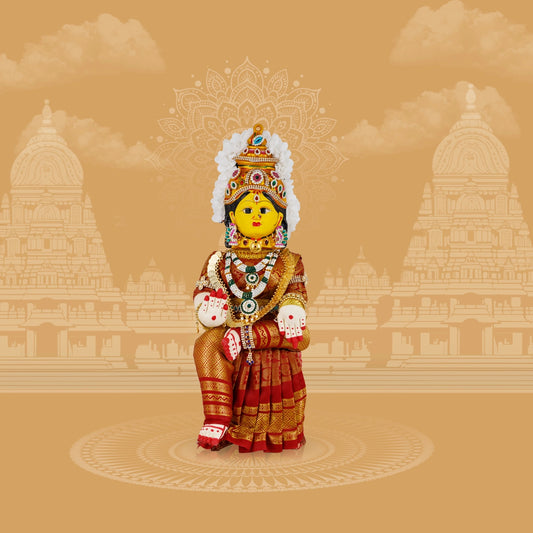
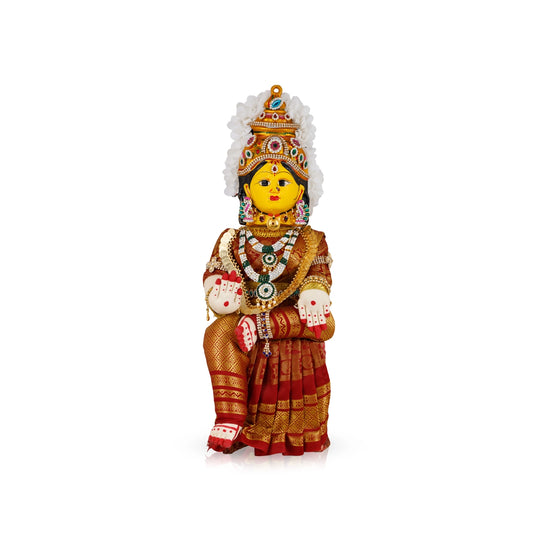
In Tamil Nadu, Navratri is greeted by putting up Bommai Kolu (doll display), whereas in Bengal it concludes with Durga Puja. Every place infuses its own cultural twist to the celebration, which has turned out to be a pan-Indian celebration.
The Significance of Colors
Each day of Navratri has a specific color, wearing which is said to bring good luck. Each color represents a unique trait of the Goddess:
Day 1 (Yellow): Represents happiness and hopefulness, indicative of Goddess Shailaputri.
Day 2 (Green): Represents growth and prosperity, indicative of Goddess Brahmacharini.
Day 3 (Grey): Represents strength and courage, representative of Goddess Chandraghanta.
Day 4 (Orange): Represents energy and dynamism, representative of Goddess Kushmanda.
Day 5 (White): Symbolizes purity, linked to Goddess Skandamata.
Day 6 (Red): Represents power and passion, linked to Goddess Katyayani.
Day 7 (Blue): Symbolizes confidence and peace, connected to Goddess Kalaratri.
Day 8 (Pink): Represents peace and compassion, connected to Goddess Mahagauri.
Day 9 (Purple): Symbolizes spirituality connected to Goddess Siddhidhatri.
Worshipers attire the color of the day to revere the Goddess and appeal to her blessings.
Dussehra: The Conclusion of Navratri
The tenth day of Navratri is celebrated as Dussehra or Vijayadashami. This day commemorates the conclusion of the nine-day celebration and Lord Rama's victory over the demon king Ravana. In India, effigies of Ravana is burnt to represent the defeat of evil. The tradition finds special significance in northern India and is enjoyed in grand processions, plays as well as performances of the battle of Rama.
In certain regions of India, particularly Bengal, the tenth day is observed as Durga Visarjan (the immersion of the Durga idol in water) to indicate the departure of the Goddess after visiting earth.
Durga Puja in Bengal
In West Bengal, Navratri is concluded with Durga Puja, a big fiesta celebrating Goddess Durga's triumph over Mahishasura. The festivities are stretched over a few days with intricately made idols of Goddess Durga being offered worship in majestic pandals. The festival is replete with cultural events, music, dance, and the essence of happiness and togetherness. The idols are submerged in rivers or ponds on the final day, depicting the Goddess going back to her heavenly world.
The Pleasure of Devotional Dances and Songs
Navratri is not only a religious celebration but also a cultural spectacle. The devotees gather to sing bhajans (spiritual songs) and do traditional dances such as Garba and Dandiya Raas. The dances symbolize the celebration of divine feminine power and are danced in big circles with dynamic movements, filling the air with a sense of unity as well as happiness. The exciting music, bright clothes and festival vibes make Navratri a celebration of life, culture, and faith.
A Time for Spiritual Renewal
Navratri is a moment of introspection and spiritual growth. The believers feel that by worshipping Goddess Durga, they can free themselves of negative energy and seek blessings for their health, prosperity & happiness. The nine nights are a chance to purify the mind, body, and soul, relating to the divine and accepting good changes in life.
Conclusion
Navratri is more than a festival; it is a celebration of power, faith, and cultural diversity. It unites people in the worship of divine feminine power and wishes for blessings for the forthcoming year. Through fasting, dance or prayers, Navratri offers a chance to cleanse oneself and connect with higher spiritual energies. As the festival concludes with the celebration of Dussehra, it leaves the heart full of renewal and hope, looking forward to fresh starts.